
Understanding Telehealth Therapy Effectiveness Compared to In-Person Sessions Explained
Telehealth therapy—also called teletherapy or virtual counseling—uses secure audiovisual and messaging channels to deliver psychotherapy, producing symptom reduction by enabling continuous therapeutic interventions without geographic constraints. Recent evidence indicates that telehealth therapy often yields outcomes comparable to in-person care for many common conditions, which matters because effective care delivered remotely increases patient choice and access. This article explains what telehealth looks like in practice, summarizes current research on comparative effectiveness, and maps who benefits most from online sessions versus face-to-face treatment. Readers will learn how therapeutic rapport is built online, which conditions respond well to telehealth, practical privacy and technology considerations, and how hybrid models combine both approaches for flexible care. Throughout, the piece highlights New Jersey–specific access implications and points readers to local options where appropriate, helping you decide whether telehealth therapy or in-person sessions—or a blend—best supports your recovery goals.
What Is Telehealth Therapy and How Does It Work?
Telehealth therapy is mental health care delivered remotely through HIPAA-compliant video, phone, or secure messaging platforms that replicate core psychotherapy processes—assessment, treatment planning, intervention, and progress monitoring—while reducing geographic barriers. The mechanism is straightforward: clinicians adapt evidence-based interventions (like CBT or trauma-focused approaches) to virtual formats, using screen-based techniques and digital homework to produce therapeutic change. The primary benefit is maintaining continuity of care when in-person visits are impractical, which improves engagement and reduces missed appointments. Understanding the delivery modes and privacy safeguards prepares clients to participate confidently in virtual sessions and to weigh telehealth against in-person options.
What Are the Key Features of Telehealth Therapy?
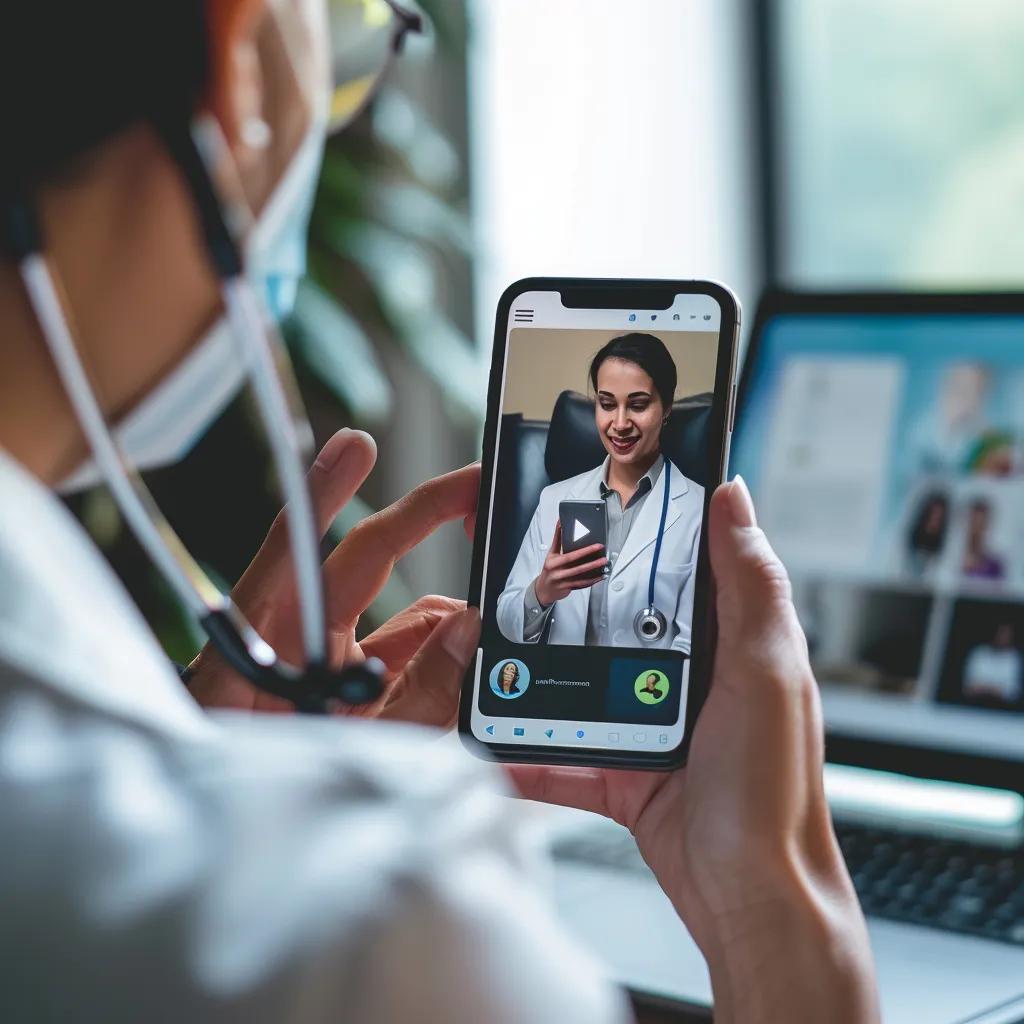
Telehealth therapy includes several predictable features that shape how sessions run and what clients can expect. First, clinicians typically conduct a remote intake and informed consent process that covers privacy, emergency planning, and technical expectations, establishing clear boundaries for care. Second, sessions often use secure video platforms with optional phone or messaging follow-ups, allowing flexibility in how therapeutic work continues between scheduled appointments. Third, telehealth supports accessibility features—such as captioning or caregiver-mediated sessions for adolescents—while offering scheduling flexibility that reduces travel time and logistical barriers. These operational features create practical advantages and also require simple client preparation, like testing the camera, choosing a private space, and confirming reliable internet access.
Key features explained:
- Secure video sessions for live psychotherapy and assessment.
- Phone and messaging options for follow-up, homework, and check-ins.
- Intake procedures that include informed consent and emergency planning.
This combination of features supports effective clinical work remotely while setting clear expectations for both therapist and client. These operational details lead naturally into how some New Jersey providers deliver telehealth at the practice level.
How Does Calm and Sense Therapy Provide Telehealth Services in New Jersey?
Calm and Sense Therapy offers telehealth as a core service for New Jersey clients, combining experienced, client-centered clinicians with flexible remote platforms to support individuals, couples, families, adolescents, and children. Their approach emphasizes tailored treatment plans delivered through secure teletherapy channels alongside local office availability in Scotch Plains, Warren, Union, and Toms River to accommodate hybrid needs and in-person preferences. Intake and scheduling are designed for accessibility, with immediate daytime appointment availability noted to reduce wait times and speed treatment initiation for those who need prompt support. For prospective clients seeking a practical next step, Calm and Sense Therapy frames telehealth as an accessible entry point into care and encourages contacting their team to discuss therapy options and book an initial session.
How Effective Is Telehealth Therapy Compared to In-Person Sessions?
Telehealth therapy has been evaluated in multiple systematic reviews and randomized trials, and current syntheses indicate comparable effectiveness to in-person sessions for many common mental health conditions, primarily by preserving core therapeutic mechanisms such as exposure, cognitive restructuring, and behavioral activation. Meta-analyses from 2023–2025 report that pooled outcomes for anxiety and depression often align closely between modalities, with many reviews indicating roughly three out of four patients experience similar symptom reductions across telehealth and face-to-face formats. The practical implication is that telehealth is a valid treatment pathway for many clients, though clinicians and clients should consider diagnosis severity, safety needs, and personal preferences when choosing a modality.
What Does Recent Research Say About Telehealth Therapy Effectiveness?
Recent reviews, including a 2024 synthesis in digital mental health literature, find that telehealth delivers effect sizes comparable to in-person therapy for depression and anxiety, and that patient satisfaction and retention rates are frequently similar across modalities. These reviews highlight that well-implemented telehealth preserves core therapeutic elements—therapist skill, session structure, and evidence-based techniques—while making treatment more accessible, which likely drives similar clinical outcomes. Trends from 2023–2025 also show growing provider adoption and sustained patient preference for hybrid options that combine the convenience of telehealth with periodic in-person contact. These findings encourage clinicians to focus on training, platform quality, and engagement strategies to maintain outcomes equivalent to in-person care.
Which Mental Health Conditions Are Successfully Treated via Telehealth?
Empirical evidence supports telehealth effectiveness across several conditions when established psychotherapies are used: anxiety disorders, major depressive disorder, PTSD, and many relationship and family concerns respond well to virtual formats. Specific approaches translate effectively online—CBT for anxiety and depression, trauma-focused CBT for PTSD, and structured couple interventions often maintain fidelity through video sessions with minor adaptations. Evidence is more mixed for certain complex presentations (e.g., severe psychosis, high-risk suicidality) where in-person assessment and close safety planning may be preferable, and for some pediatric cases where caregiver involvement and developmental assessment require in-person observation. Overall, telehealth is a strong option for a broad range of disorders, especially when clinicians adjust techniques and safety protocols for the virtual environment.
Conditions well-supported by telehealth:
- Anxiety disorders treated with online CBT and exposure-based interventions.
- Depressive disorders addressed through structured psychotherapy and behavioral activation.
- PTSD and trauma-related problems using adapted trauma-focused protocols.
What Are the Benefits and Challenges of Telehealth Versus In-Person Therapy?

Telehealth offers distinct benefits—expanded access, scheduling convenience, and reduced travel—while in-person therapy retains unique advantages like fuller non-verbal observation and a controlled therapeutic environment that can support certain assessments and crisis interventions. The mechanism by which telehealth increases access is simple: by removing geography and transportation constraints, more clients can receive timely care, but this same flexibility introduces challenges such as technology interruptions and privacy limitations in shared living spaces. Clinicians mitigate these issues through clear technical onboarding, contingency plans for connectivity loss, and structured check-ins that preserve therapeutic presence online. Understanding both benefits and limitations helps clients and providers choose the right format or tailor a hybrid plan that preserves treatment quality.
What Are the Main Advantages of Telehealth Therapy?
Telehealth improves practical access and reduces common logistical barriers that keep people from initiating or continuing therapy. It eliminates commute time, often shortens waitlists by expanding clinician reach, and makes daytime appointments feasible for busy adults or caregivers. Telehealth can also lower stigma-related obstacles by allowing clients to seek care from home, increasing comfort for those who might avoid in-person settings. These advantages produce measurable gains in engagement and continuity of care when clinics implement robust scheduling and platform standards.
Telehealth advantages summarized:
- Increased appointment flexibility that fits work and caregiving schedules.
- Reduced travel time and transportation costs for clients.
- Lower barriers to care for rural or mobility-limited individuals.
These access gains naturally lead to questions about when in-person therapy remains uniquely valuable, which we cover next.
What Unique Benefits Do In-Person Sessions Offer?
In-person therapy provides observational and environmental benefits that enhance assessment, body-language reading, and the therapeutic container which supports boundary-setting and focused reflection. Clinicians can more readily detect subtle motor behavior, posture, and physiological cues that inform diagnosis and treatment adjustments, and the physical office offers a dedicated space for safety planning and crisis response. For some interventions—intensive assessments, certain somatic therapies, or when immediate local support is required—in-person sessions remain the preferred option to ensure comprehensive care and timely coordination with local resources.
In-person session benefits:
- Full observation of non-verbal cues that refine clinical assessment.
- A controlled therapeutic environment supporting boundary and safety.
- Immediate local crisis interventions and hands-on assessments when necessary.
Recognizing these distinct strengths informs how therapists build rapport across modalities, which is critical to therapeutic success.
How Is Therapeutic Rapport Built in Telehealth Compared to In-Person?
Therapeutic rapport in telehealth is built through deliberate presence, attuned communication, and consistent session structure that replicate the safety of in-person relationships, and therapists use strategies like explicit check-ins, camera framing, and empathic reflection to enhance connection. Clinicians often begin with longer orientation and informed consent discussions to set expectations, then employ pacing and reflective statements to confirm understanding in the absence of some non-verbal cues. Clients can support rapport by choosing a private, distraction-free space, using headphones, and engaging in pre-session preparation that mirrors arriving at an in-person office. Research indicates that a strong therapeutic alliance forms reliably in virtual contexts when both parties attend to these relational and technical details.
Is Telehealth Therapy Right for You? Key Factors to Consider
Yes—telehealth can be an excellent option for many people, but suitability depends on clinical severity, privacy and technology access, age and caregiver needs, and safety considerations; evaluating these factors helps determine whether telehealth, in-person care, or a hybrid model is best. Begin with a brief self-assessment of your living situation (private space availability), technology (stable internet and device), and clinical needs (severity, crisis risk, or complex assessments). If in doubt, many clinicians recommend a short telehealth trial session to evaluate fit and build rapport before committing to a longer plan. For those seeking local options that emphasize tailored, client-centered care, Calm and Sense Therapy offers flexible pathways that include telehealth and multiple office locations, with experienced therapists and a noted emphasis on accessibility and immediate daytime appointment availability to help you begin care quickly.
How Do Individual Preferences and Privacy Concerns Affect Therapy Choice?
Personal privacy, household dynamics, and comfort with technology strongly shape whether telehealth will feel safe and effective for you, and taking practical steps can reduce privacy risk and increase session effectiveness. Use headphones, establish a predictable private schedule, employ white-noise machines or background sounds if needed, and discuss contingency plans with your therapist if privacy is occasionally limited. For adolescents, caregiver involvement and consent protocols vary, so choosing a format that supports safety and developmental needs is essential. These practical adjustments often make telehealth a viable option even when initial privacy concerns exist.
Privacy and preference tips:
- Use headphones and a private room to maintain confidentiality.
- Schedule sessions when household activity is low to reduce interruptions.
- Discuss privacy plans with your therapist, including emergency protocols.
These steps address many common privacy barriers and help clients move forward with remote care confidently.
When Is In-Person Therapy More Suitable Than Telehealth?
In-person therapy is generally preferable when immediate local crisis management is needed, when severe psychiatric symptoms—such as active suicidality or acute psychosis—require close monitoring, or when certain diagnostic or somatic procedures demand direct observation. Clinicians should assess risk carefully and recommend in-person work if the safety plan or clinical needs exceed what can be managed remotely. For parents of young children, some developmental assessments and play-based interventions may be better conducted in person to observe interaction patterns directly. When in-person care is indicated, clinicians often offer hybrid plans that begin with face-to-face assessment followed by telehealth maintenance.
How Does Telehealth Therapy Improve Access to Mental Health Care in New Jersey?
Telehealth expands reach across New Jersey by connecting clinicians to residents in rural, suburban, and urban areas, reducing geographical and transportation barriers and shortening wait times through flexible scheduling and remote appointment capacity. The mechanism is that virtual platforms increase the effective catchment area for clinicians, enabling practices with multiple local offices to coordinate hybrid care pathways that fit client needs. For New Jersey residents juggling commutes, caregiving, or limited local mental health resources, telehealth reduces the friction of initiating and maintaining treatment. This local context highlights how combining telehealth with in-state office presence provides both accessibility and options for in-person care when clinically necessary.
How Does Telehealth Reduce Barriers for New Jersey Residents?
In New Jersey, telehealth helps residents who face long commutes, limited local providers, or mobility constraints by offering remote sessions that eliminate travel time and broaden provider selection beyond immediate zip codes. Practices that maintain multiple local offices while offering telehealth can alternate virtual and in-person visits to match client needs, ensuring continuity when travel or scheduling becomes difficult. Calm and Sense Therapy uses this combined approach—telehealth plus locations in Scotch Plains, Warren, Union, and Toms River—to reduce barriers for diverse clients across the state, emphasizing tailored, client-centered care and immediate daytime appointment availability to improve timely access. These local delivery strategies reduce wait times and make it easier for New Jersey residents to begin and sustain treatment.
| Care Pathway | Attribute | Expected Access Impact |
|---|---|---|
| Telehealth-only | Remote availability, no travel required | Increases reach to rural/suburban clients and reduces appointment cancellations |
| Hybrid (telehealth + local offices) | Flexible mixing of virtual and in-person visits | Improves continuity and allows in-person assessments when needed |
| Local in-person | On-site services and immediate local crisis response | Best for high-risk cases and hands-on assessments |
What Insurance and Cost Considerations Affect Telehealth Therapy?
Insurance coverage for telehealth varies by plan, but many major insurers increasingly reimburse virtual behavioral health services; clients should verify telehealth coverage, copay, and provider network status before scheduling. Practical steps include checking plan telehealth benefits, asking about out-of-network options if needed, and confirming whether a provider accepts your insurance for virtual sessions. For clinics, transparent billing and intake communication reduce surprises and help clients choose an affordable pathway to care. If you are uncertain about coverage, contact prospective providers to discuss insurance acceptance and payment options to ensure telehealth is a feasible option for your circumstances.
| Access Factor | What to Check | Practical Step |
|---|---|---|
| Insurance coverage | Telehealth benefits, copays, network status | Verify with insurer and confirm with provider |
| Appointment flexibility | Daytime/after-hours availability | Ask provider about immediate or same-week openings |
| Out-of-network options | Sliding scale or self-pay rates | Discuss payment arrangements during intake |
What Does the Future Hold for Telehealth Therapy and Hybrid Care Models?
The trajectory of telehealth and hybrid mental health models points toward continued integration of remote and in-person care, with providers adopting hybrid schedules that preserve therapeutic continuity while tailoring intensity based on clinical need. Emerging patterns through 2025 show many practices offering initial in-person assessments followed by virtual maintenance sessions, as well as asynchronous supports—secure messaging and digital tools—that augment live sessions. Technology enhancements, clinician training in virtual rapport-building, and refined safety protocols will further improve telehealth’s reliability and acceptability. These trends suggest that flexible, patient-centered care combining telehealth and in-person touchpoints will become a standard model for effective, accessible mental health services.
How Are Hybrid Therapy Models Combining Telehealth and In-Person Sessions?
Hybrid models often begin with an in-person intake and assessment to establish baseline safety and rapport, then alternate telehealth sessions for maintenance and in-person meetings for periodic assessments or higher-intensity interventions. Other common patterns include scheduling consecutive telehealth sessions with occasional in-person check-ins, or reserving in-person visits for family or couple sessions that benefit from shared physical presence. Benefits include increased scheduling flexibility, better adherence, and the ability to escalate to in-person care quickly when clinical needs change. These practical hybrid pathways help clinicians tailor intensity while maximizing access and continuity.
Hybrid model examples:
- Initial in-person intake, then telehealth for weekly maintenance.
- Alternating telehealth and in-person sessions based on symptom stability.
- Telehealth for individual work and in-person sessions for couples or family assessments.
Adopting hybrid strategies encourages personalized care plans that respond to changing clinical needs while harnessing telehealth’s accessibility.
What Are the Emerging Trends in Telehealth Mental Health Services?
Emerging trends include broader provider adoption of hybrid care, growth in asynchronous supports like secure messaging and digital homework platforms, and integration of measurement-based care through remote symptom tracking to personalize treatment. Providers increasingly invest in clinician telehealth training and standardized safety workflows to preserve outcome quality across modalities, while digital tools augment therapist work between sessions. These innovations aim to combine the relational core of psychotherapy with scalable, technology-enabled supports that improve engagement and make evidence-based care more widely available. As these trends evolve, patients will benefit from more flexible, data-informed, and accessible treatment pathways.
Emerging trend highlights:
- Increased hybrid model adoption and clinician telehealth training.
- Growth of asynchronous supports and remote measurement-based care.
- Improved platform security and standardized safety protocols to protect clients.
These trends signal that telehealth will remain a central component of modern mental health care, offering greater choice and continuity for people seeking help.